Comparative Analysis of B2B Digital Technology Adoption in China and the United States: Insights from Workshop Discussions
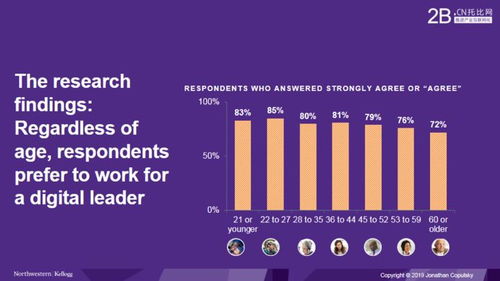
In a recent international workshop focused on digital technology services, experts from academia and industry explored the key differences in how China and the United States adopt and implement B2B (business-to-business) digital technologies. The discussions, supported by an English-language presentation, highlighted distinct approaches shaped by economic structures, regulatory environments, and cultural factors.
1. Technological Infrastructure and Ecosystem
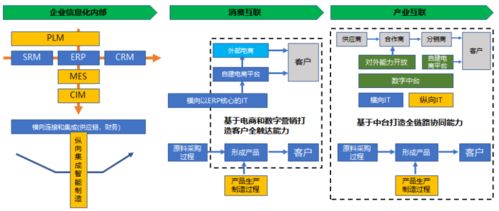
The U.S. B2B digital landscape is often characterized by a mature, market-driven ecosystem. Companies leverage cloud computing, AI, and IoT solutions provided by established tech giants and innovative startups, with a strong emphasis on interoperability and open standards. In contrast, China’s B2B technology adoption is heavily influenced by integrated digital platforms (e.g., Alibaba Cloud, Tencent) that offer end-to-end services within closed ecosystems. China’s rapid infrastructure development, including 5G and industrial internet initiatives, supports scalable, government-backed digital transformation in manufacturing and supply chains.
2. Regulatory and Policy Frameworks
U.S. B2B digital services operate under a decentralized regulatory model that prioritizes data privacy (e.g., sector-specific laws) and antitrust measures, fostering competition but sometimes leading to fragmentation. China employs a more centralized, state-guided policy approach, with initiatives like 'Made in China 2025' and data sovereignty laws (e.g., Cybersecurity Law) shaping B2B technology deployment. This results in tighter integration of digital services with national strategic goals, albeit with greater governmental oversight.
3. Adoption Drivers and Business Culture
In the U.S., B2B technology adoption is primarily driven by efficiency gains, cost reduction, and competitive pressure, with decision-making often decentralized across enterprises. The culture emphasizes innovation and risk-taking, leading to early experimentation with emerging tech like blockchain and AI. In China, adoption is accelerated by top-down mandates, supply chain optimization needs, and the dominance of large digital platforms. Business culture favors rapid implementation and adaptation within networked, guanxi-based relationships, focusing on practicality and scalability.
4. Digital Service Models and Innovation
U.S. B2B digital services tend to be modular and specialized, with companies procuring best-in-class solutions from multiple vendors. Innovation often stems from R&D-intensive startups and collaborations across sectors. China’s model leans toward all-in-one platform solutions, where digital services (e.g., fintech, logistics, SaaS) are bundled within super-apps or industrial platforms. Innovation is frequently incremental, driven by large tech firms and tailored to local market demands, such as cross-border e-commerce tools.
5. Challenges and Future Trends
Both countries face challenges: the U.S. grapples with integration complexities and skills gaps, while China contends with data security concerns and international market barriers. The workshop concluded that future B2B digital technology services will likely see convergence in areas like AI ethics and cloud interoperability, but differences will persist due to divergent governance models. For global businesses, understanding these contrasts is crucial for tailoring strategies in each market.
This analysis, derived from the workshop’s English PPT materials, underscores that while both nations pursue digital transformation, their paths reflect unique socio-economic contexts, offering valuable lessons for policymakers and enterprises worldwide.
如若转载,请注明出处:http://www.kclkk.com/product/10.html
更新时间:2026-10-12 15:54:08